



A new analysis of crash data is drawing attention to some of the most dangerous intersections in Fort Worth, where hundreds of collisions have occurred over the past five years.
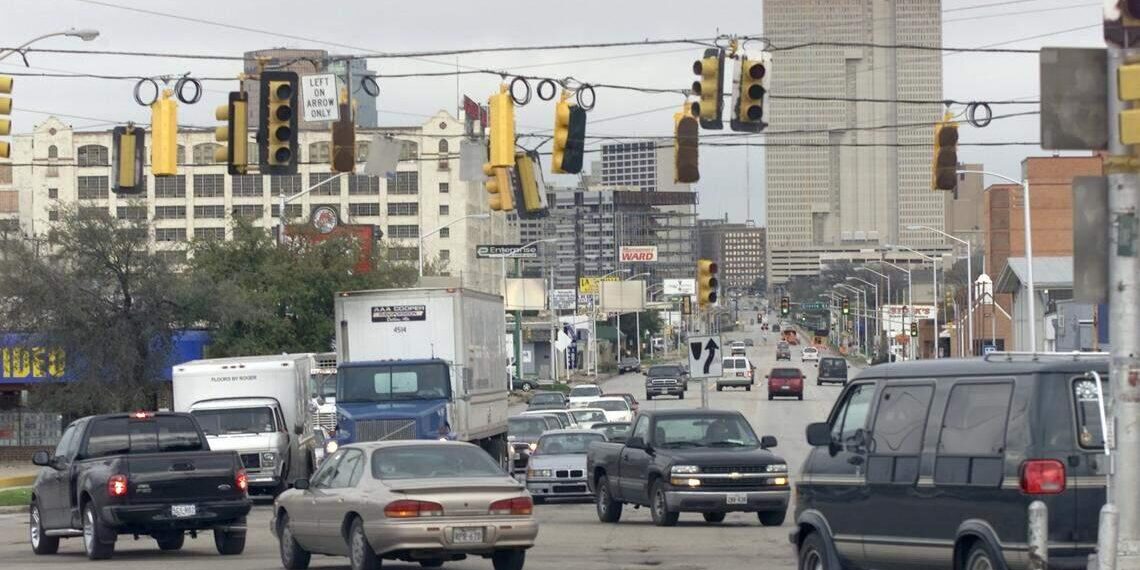
According to reporting from the Fort Worth Report, the intersection of Henderson Street and Belknap/Weatherford streets on the western edge of downtown ranked as the city’s most dangerous. The location recorded 197 police-reported crashes between 2021 and 2025, including 73 crashes involving injuries. In 2025 alone, 51 crashes occurred there—the highest single-year total for any Fort Worth intersection included in the analysis.
Thousands of Fort Worth Crashes Occur at Intersections
The study analyzed 80,773 crashes reported to the Texas Department of Transportation within Fort Worth from 2021 through 2025. Of those, 34,776—or about 43%—occurred at or near intersections. Across all crashes studied, 603 people were killed and 2,679 suffered suspected serious injuries. Intersection crashes alone resulted in 160 deaths.
The ten intersections receiving the highest danger rankings accounted for 1,410 crashes, with someone injured in 493 of them. Other locations high on the list included East Seminary Drive at I-35W, East Berry Street at I-35W, Trinity Boulevard at SH 360, North Main Street at NW 28th Street and South Hulen Street near I-20.
Left Turns Are a Major Concern
One of the clearest patterns in the data involved left turns. Approximately 31% of intersection crashes citywide involved a vehicle turning left, compared with 40% at the ten highest-ranked intersections.
At West Risinger Road and South Hulen Street, an extraordinary 82% of crashes involved left turns. The Henderson/Belknap/Weatherford intersection also showed an unusually high rate of collisions involving vehicles traveling straight alongside vehicles turning left, suggesting that complex lane configurations may contribute to crashes.
Several dangerous intersections are also located where city streets cross major freeway frontage roads, including I-35W, I-20 and SH 360. These areas can require drivers exiting high-speed highways to quickly adjust to traffic signals, turning vehicles and cross traffic.
Pedestrians Face Particularly Serious Risks
The statistics are especially concerning for pedestrians. Although pedestrians were involved in only about 2% of Fort Worth crashes studied, they accounted for 26% of traffic deaths. The five-year data included 1,426 pedestrian crashes and 157 pedestrian fatalities.
Time of day also matters. About one-third of intersection crashes occurred during dark or dusk conditions, while 4 p.m. to 5 p.m. was identified as the worst hour and Friday as the worst day for crashes.
Fort Worth is already pursuing additional traffic-safety measures. In August, the city and the North Central Texas Council of Governments launched a 90-day pilot program targeting excessive speeding on portions of Loop 820 and I-30. Regional officials reported that speeding contributed to 34% of serious and fatal highway crashes in the Dallas-Fort Worth area in 2025.
What Fort Worth Drivers Can Do
Drivers cannot control every danger they encounter, but extra caution can make a difference. Motorists should reduce speed when approaching busy intersections, watch carefully for pedestrians and cyclists, avoid rushing through yellow lights, and give themselves additional time to determine the correct lane before making a turn.
If you or a loved one has been injured in a Fort Worth car accident, Ben Bronston & Associates can help you understand your legal options and determine whether you may be entitled to compensation.
[Disclaimer: This blog post is for informational purposes only and does not constitute legal advice.]