




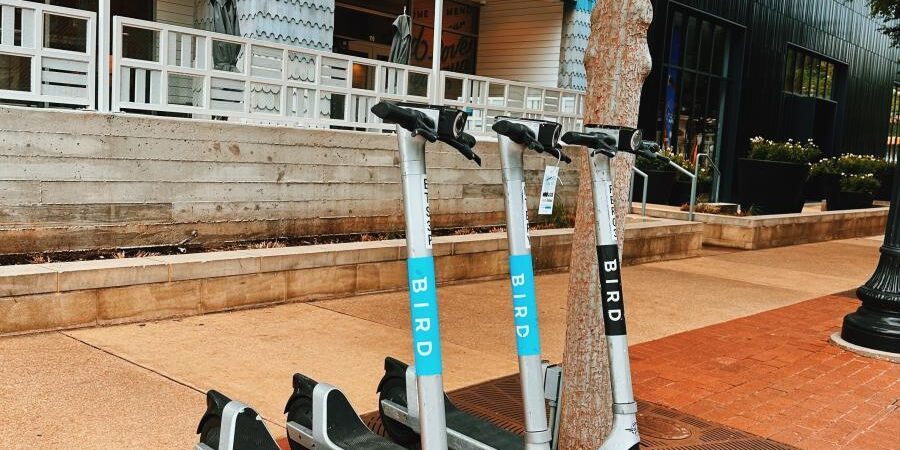
Electric scooters have become a common sight across Texas, offering a quick and affordable way to travel through busy cities. Companies like Lime and Bird have expanded access to shared scooters, making short trips easier than ever. However, as their popularity grows, so do concerns about rider safety and the lack of consistent statewide regulations.
Unlike many traffic laws that apply uniformly across Texas, electric scooter regulations are relatively limited at the state level. Under Texas law, motor-assisted scooters generally cannot be operated on roads with posted speed limits above 35 mph, but riders are often allowed to use bike paths and, in many areas, sidewalks. Beyond those basic rules, cities are largely responsible for creating their own policies regarding where scooters can be ridden, parked, and rented.
This patchwork of local regulations can create confusion for both residents and visitors. One city may prohibit riding on sidewalks, while another encourages riders to use them in certain situations. Some municipalities have also introduced designated parking zones, speed restrictions, and geofenced slow-speed areas to improve pedestrian safety.
Regardless of local ordinances, safe riding practices remain essential. Riders should:
- Wear a properly fitted helmet.
- Obey traffic signals and signs.
- Yield to pedestrians.
- Avoid distracted riding by keeping phones away while operating a scooter.
- Never ride under the influence of drugs or alcohol.
- Inspect the scooter for obvious mechanical issues before starting a trip.
Electric scooters may seem less intimidating than motorcycles or cars, but they can still reach speeds capable of causing serious injuries. Falls, collisions with vehicles, and crashes involving pedestrians can all lead to broken bones, traumatic brain injuries, and other long-term health consequences.
Drivers also play an important role in preventing scooter crashes. Because scooters are smaller and quieter than motor vehicles, they can be difficult to see, especially when making turns or opening vehicle doors. Staying alert and checking mirrors carefully can help reduce the risk of collisions.
If an accident does occur, injured riders should seek medical attention immediately, document the scene if possible, report the incident, and consult with an experienced personal injury attorney to understand their legal rights. Liability may involve another driver, a scooter operator, a property owner, or another negligent party depending on the circumstances.
As Texas cities continue adapting to micromobility, understanding both state law and local regulations can help everyone share the road more safely.
If you or a loved one has been injured in an electric scooter accident caused by someone else’s negligence, Ben Bronston & Associates is here to help you understand your legal options.
Call 713.CALL.BEN ( 713-225-5236 ) or email us for a FREE and CONFIDENTIAL consultation.
[Disclaimer: This blog post is for informational purposes only and does not constitute legal advice.]