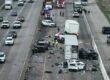




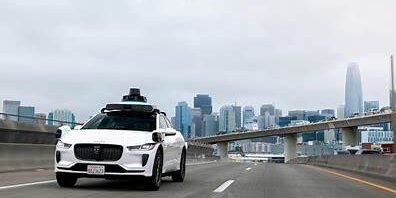
A recent fatal crash involving a Waymo robotaxi is raising new questions about how responsibility should be evaluated when autonomous vehicles are involved. According to Forbes, a pedestrian in Dallas was first struck by a human-driven SUV and thrown roughly 30 feet into the path of an unoccupied Waymo. The Waymo had reportedly slowed to about 5 mph before the secondary impact, making it unlikely that the autonomous vehicle caused the fatality.
The incident highlights an important distinction: a vehicle’s involvement in a fatal crash does not necessarily mean it caused it. As autonomous vehicles become more common on Texas roads, investigators, insurers, and courts will increasingly have to determine how traditional concepts of negligence and liability apply when software—not a human driver—is controlling a vehicle.
For crash victims and their families, determining exactly what happened remains critical. Evidence such as vehicle data, surveillance footage, witness statements, and police reports can all play a role in establishing responsibility.
Call 713.CALL.BEN ( 713-225-5236 ) or email us for a FREE and CONFIDENTIAL consultation.
[Disclaimer: This blog post is for informational purposes only and does not constitute legal advice.]