



As autonomous vehicles become increasingly common on Texas roads, questions about their safety and reliability continue to grow. A recent incident involving a Tesla robotaxi in Austin has renewed concerns about how self-driving technology responds to unexpected roadway conditions and what happens when these systems make mistakes.
Tesla Robotaxi Involved in Austin Crash
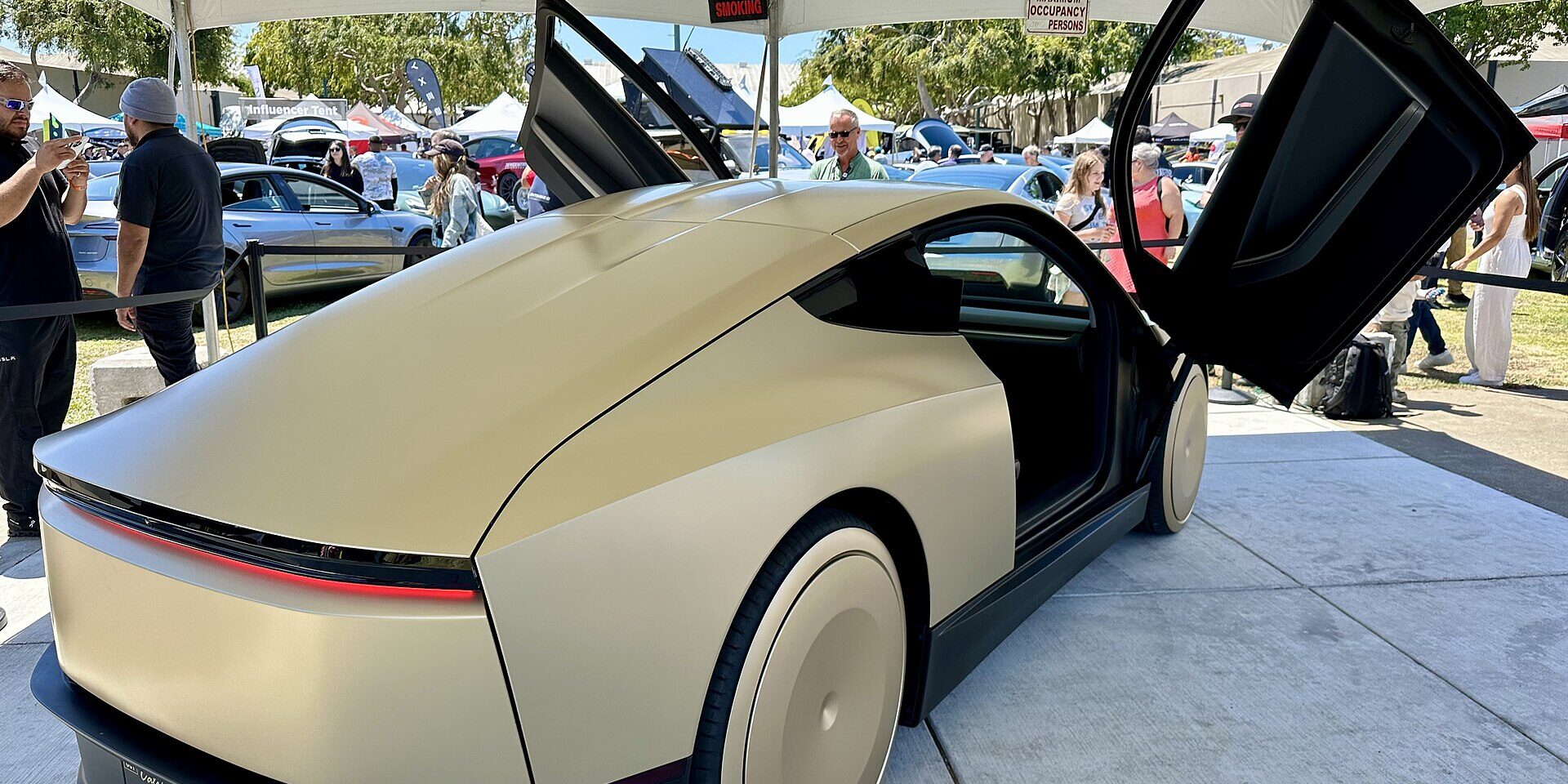
According to a report from Motor1, a Tesla robotaxi was involved in an unusual collision in Austin, Texas, after driving into a traffic bollard, a post designed to separate or protect areas of a roadway.
The incident raises questions about the vehicle’s ability to identify and avoid fixed obstacles. Although no injuries were reported, the collision highlights the challenges that autonomous driving systems can face even in relatively ordinary traffic environments.
Tesla has been expanding its robotaxi operations as part of its broader effort to introduce autonomous transportation services. However, incidents like this demonstrate why safety oversight and public accountability remain important as the technology develops.
The Challenges of Autonomous Vehicle Safety
Self-driving vehicles rely on cameras, sensors, and sophisticated computer systems to navigate roads, recognize obstacles, and respond to changing traffic conditions.
While these technologies offer the potential to reduce accidents caused by human error, they also introduce new risks.
Autonomous vehicles must accurately interpret road markings, construction zones, traffic barriers, pedestrians, and unpredictable driver behavior. Even a relatively minor navigation error can create dangerous circumstances, particularly on busy urban streets.
A collision involving a stationary obstacle also raises broader concerns about how autonomous systems identify hazards and make driving decisions.
Who Is Responsible When a Self-Driving Car Causes an Accident?
As autonomous vehicles become more widespread, determining liability following an accident may become increasingly complicated.
In a traditional motor vehicle accident, responsibility often depends on whether a driver acted negligently. When an autonomous vehicle is involved, investigators may also need to examine the technology responsible for operating the vehicle.
Depending on the circumstances, potentially responsible parties could include:
- Vehicle manufacturers: If a defective vehicle component or design contributed to the accident.
- Autonomous driving technology developers: If a software or system defect played a role.
- Vehicle operators: If a company or individual failed to properly maintain, supervise, or operate the vehicle.
- Other motorists: If another driver’s negligent actions contributed to the collision.
Liability depends on the facts of each accident and applicable Texas law. Determining responsibility may require reviewing vehicle data, maintenance records, software performance, and other available evidence.
What Autonomous Vehicles Mean for Texas Drivers
Texas has become an important testing ground for autonomous vehicle technology, with companies exploring commercial self-driving transportation in major metropolitan areas.
As these services expand, drivers, pedestrians, and cyclists may increasingly share roads with vehicles operating without a human driver behind the wheel.
Although autonomous transportation promises convenience and potential safety improvements, companies deploying these systems must prioritize the safety of everyone using public roads.
Incidents involving driverless vehicles underscore the importance of careful testing, transparent accident investigations, and appropriate safety standards.
Protecting Your Rights After a Texas Vehicle Accident
Whether an accident involves a traditional driver, a commercial truck, or an autonomous vehicle, injured individuals may face substantial medical expenses, lost income, and other financial hardships.
At Ben Bronston & Associates, we understand the serious consequences motor vehicle accidents can have on Texas families. As transportation technology evolves, protecting the rights of accident victims remains essential.
If you or a loved one has been injured in a Texas motor vehicle accident, our legal team can help you understand your options and determine whether you may be entitled to compensation.
Contact Ben Bronston & Associates today to discuss your case and learn more about your legal rights.
[Disclaimer: This blog post is for informational purposes only and does not constitute legal advice.]