



A tragic shooting in downtown Austin earlier this month has sparked renewed concerns about the growing presence of autonomous vehicles on Texas roads—particularly when it comes to emergency response situations.
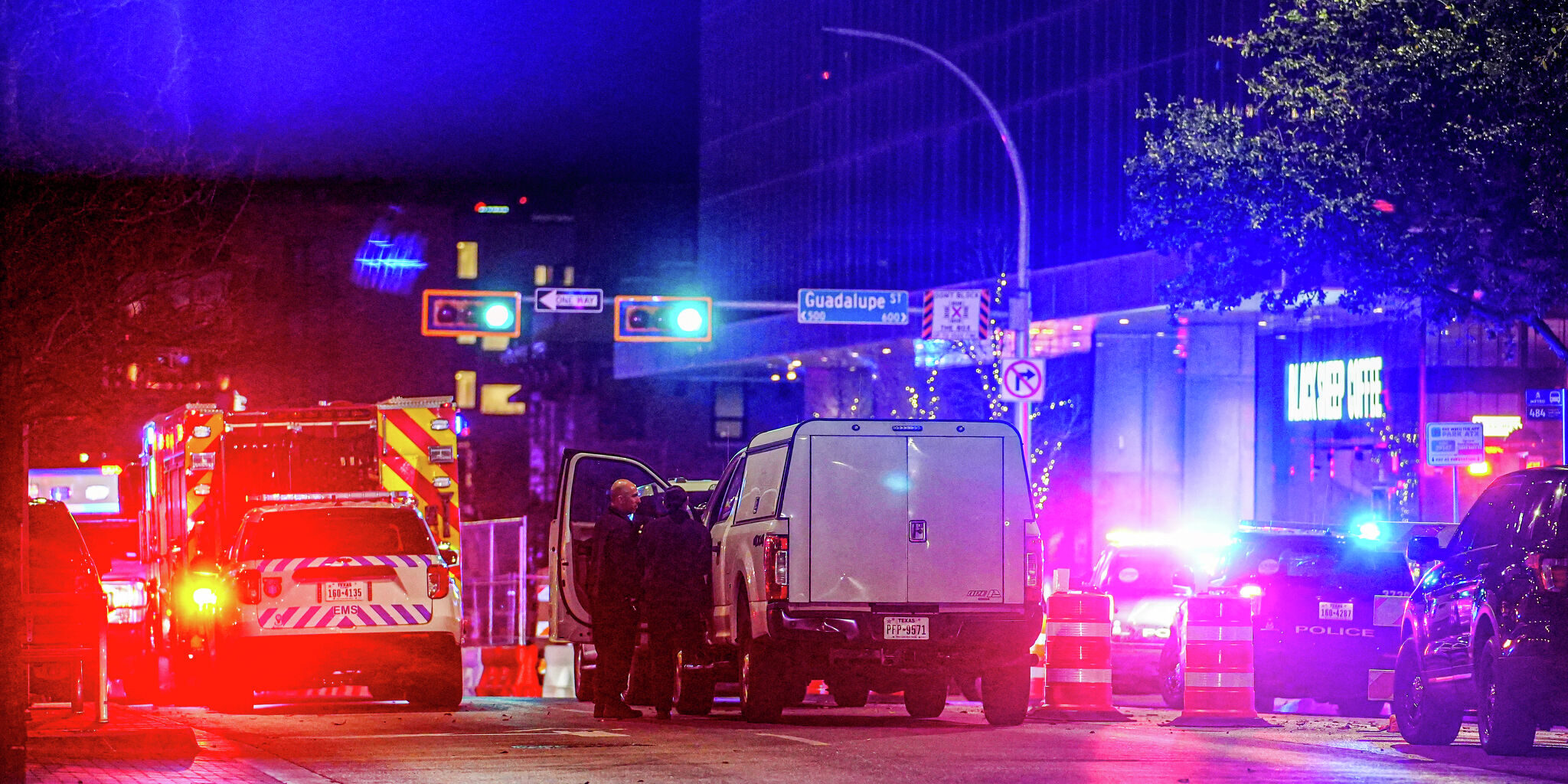
According to reports, the March 1 incident occurred in Austin’s bustling West Sixth Street nightlife district, where a gunman opened fire, killing multiple people and injuring many others. During the emergency response, a self-driving vehicle was caught on video blocking an ambulance attempting to reach the scene. The footage quickly circulated online and ignited a debate about whether autonomous vehicles are prepared to handle unpredictable, high-pressure situations.
A Brief Delay — But Big Questions
Authorities later stated that the driverless car did not significantly affect the overall response to the shooting. An Austin police officer was able to move the vehicle within roughly two minutes of arriving on the scene, allowing emergency crews to continue their work.
However, the moment highlighted a potential weakness in autonomous vehicle technology. In chaotic situations—like a mass casualty event—roads often become crowded with emergency vehicles, law enforcement, and bystanders. A vehicle that cannot quickly adapt or respond to verbal commands from first responders can create dangerous delays.
The situation involved a driverless vehicle operated by Waymo, one of the leading companies deploying autonomous taxis in major cities. As the technology expands to more urban areas in Texas, transportation experts and policymakers are increasingly discussing how these vehicles should interact with emergency personnel during crises.
Autonomous Vehicles vs. Human Drivers
Supporters of autonomous vehicle technology argue that, overall, self-driving systems may actually be safer than human drivers. Some transportation researchers note that autonomous vehicles tend to have lower fatality rates than human-operated cars.
Still, incidents like the one in Austin illustrate that even advanced technology can struggle in unpredictable environments. Emergencies often involve sudden road closures, flashing lights, and human direction from police or paramedics—conditions that can be difficult for automated systems to interpret.
For first responders, even a short delay can be critical when lives are at stake.
Safety, Accountability, and Liability
Events like this raise important questions about responsibility and liability. When an autonomous vehicle interferes with emergency response—or contributes to an accident—determining fault can be complicated. Potentially responsible parties may include:
-
The autonomous vehicle manufacturer
-
The software developer operating the system
-
The company deploying the vehicle fleet
-
Other drivers or road users involved in the incident
As autonomous technology continues to expand, lawmakers and regulators will likely face increasing pressure to develop clearer rules governing how these vehicles must respond during emergencies.
Protecting Victims After Serious Incidents
While autonomous vehicles promise convenience and innovation, they also introduce new risks that the legal system is still catching up to address. When accidents or delays caused by emerging technologies contribute to injuries or loss of life, victims and their families deserve clear answers—and experienced legal representation.
At Ben Bronston & Associates, our team has extensive experience handling complex accident and injury cases across Texas. Whether an incident involves traditional vehicles, commercial trucks, or emerging technologies like self-driving cars, we are committed to helping victims understand their rights and pursue the compensation they deserve.
If you or a loved one has been injured in an accident caused by negligence, contact Ben Bronston & Associates today for a free consultation.
Call 713.CALL.BEN ( 713-225-5236 ) or email us for a FREE and CONFIDENTIAL consultation.
[Disclaimer: This blog post is for informational purposes only and does not constitute legal advice.]